@Bitcoin_Beyondon X · 2026-09-23
A tamper-evident, on-chain timestamp of what this post said. Captured 2026-09-23 10:05 UTC.
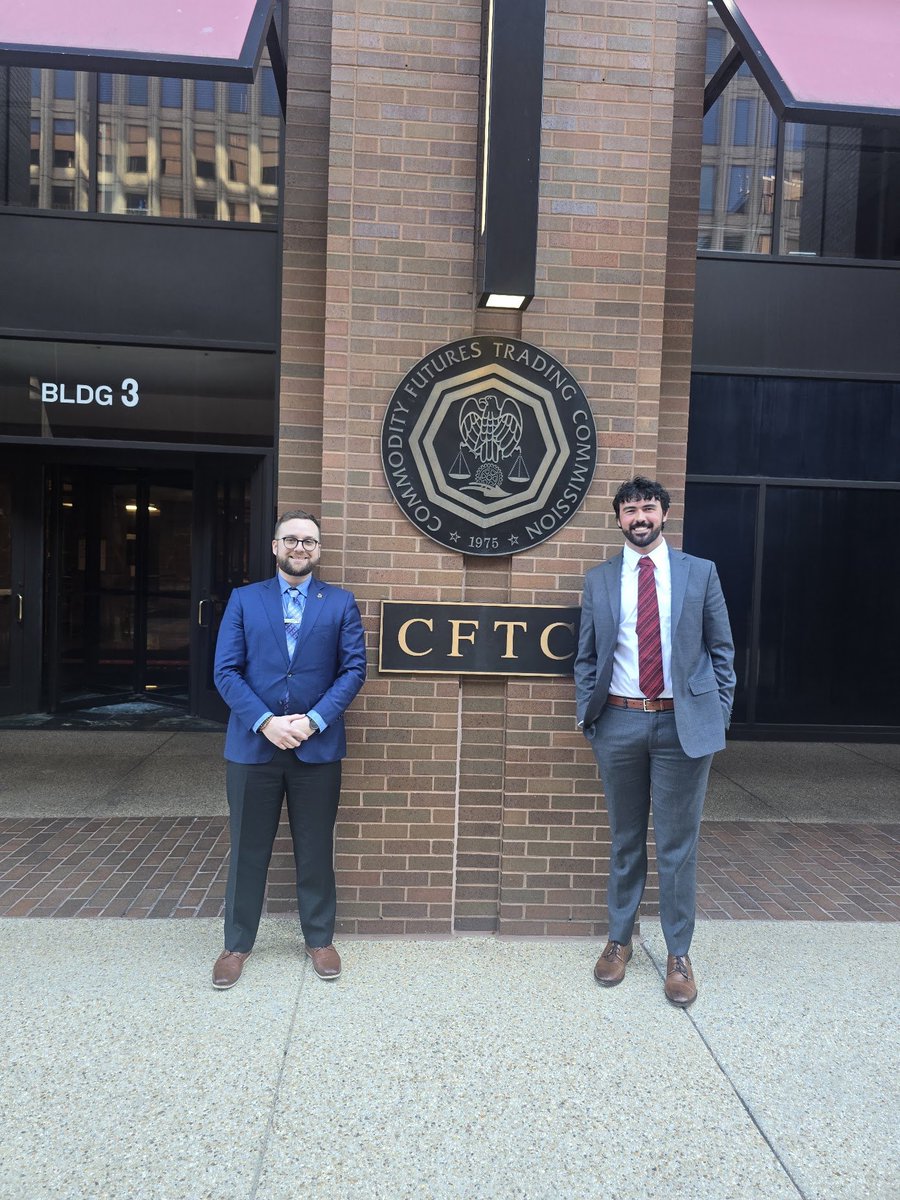
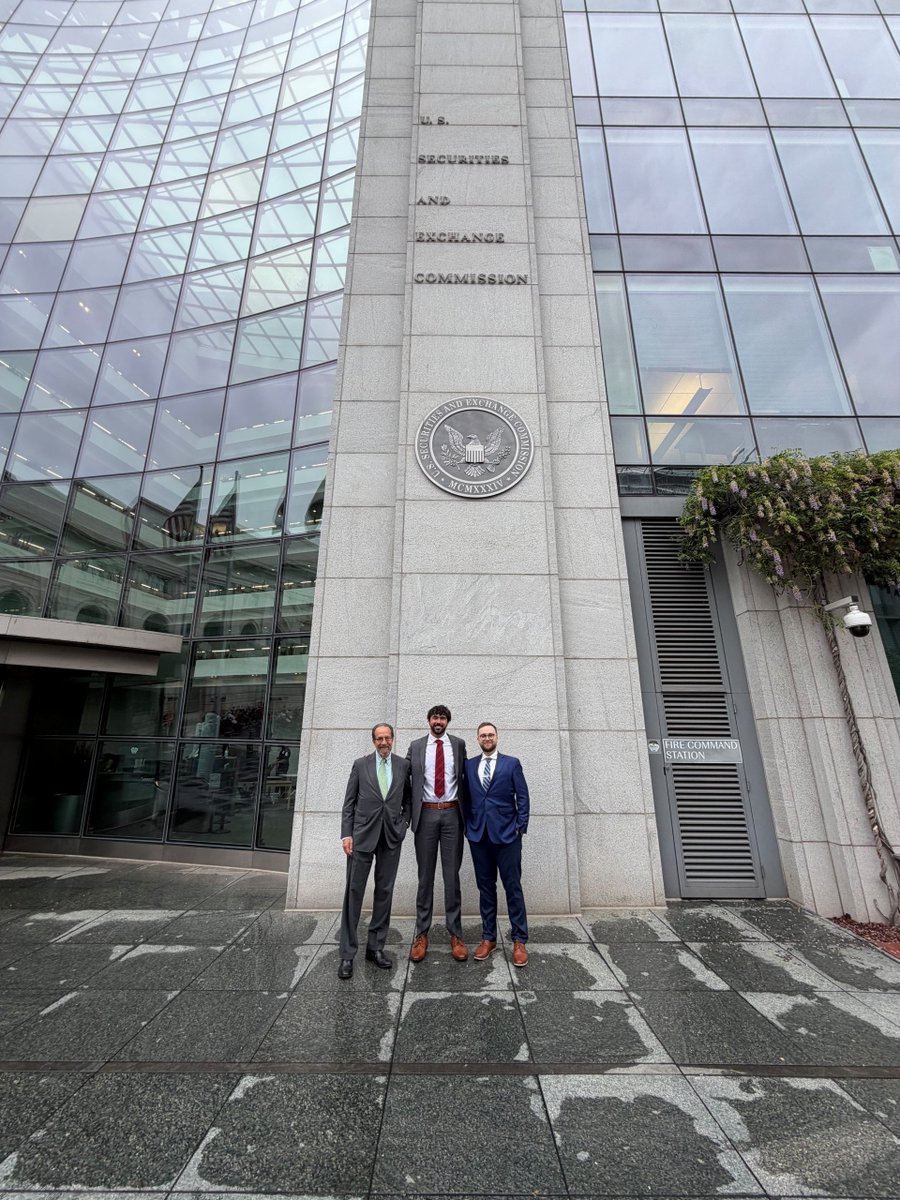
I want to provide an update for the BSV community regarding the current US regulatory landscape and how it applies to BSV. The CLARITY Act failed to get a vote in the Senate. This happened in spite of a bill that had passed the House in a bipartisan manner, and after more than a year of debate in the Senate. However - this doesn't mean the conversation is over. It means the rulebook is now being written by the CFTC and the SEC, and both agencies have already made it clear they intend to move forward with or without Congress, and are expected to draw heavily on the CLARITY Act as a framework for their rulemaking. I want to share where BSV stands in all of this, because we've been in the room with both. At the CFTC, we covered the full picture, financial use cases included. But what they latched onto was the data utility side: blockchain as infrastructure for data at scale. And they were genuinely excited, because this was new messaging for them. Ninety-nine percent of the industry lobbying them isn't talking about that. That positioning is a winning one, and it's helping regulators and legislators understand there's far more to this technology than what they've been told. Why is this message so new to them? Because the industry has spent over a decade pushing bad narratives, and nearly all of them trace back to one assumption: that these systems don't scale. Every workaround, every "digital gold" story, every excuse for why blockchain can't do real work comes from that mistake. We walked in with a different message: Bitcoin always scaled. It was designed to from day one in 2009. BSV is just proving it to the world. At the SEC, we addressed one of the biggest misconceptions in the CLARITY Act: the idea that a blockchain's maturity can be measured by how decentralized its governance is. Decentralization was treated as a coefficient for maturity. That gets it backwards. There's a fundamental confusion here between decentralized governance and distributed systems. Bitcoin was never meant to be governed by committee. It's a distributed network with defined rules. What actually matters is a locked protocol. When the protocol is set in stone, anyone can build on top of it without worrying that the rules will change underneath them. That's what enables unbounded innovation. That's why the Association maintains the Network Access Rules and protects the original protocol. The result is maximum "decentralization" where it actually counts: in innovation and application building, not in protocol politics. We also reinforced something I've said many times: BSV is the restoration of the original Bitcoin protocol. We are rooted in Bitcoin's history. That matters more than ever. In March, the SEC and CFTC issued joint guidance recognizing BTC and BCH as digital commodities. Our meeting was an education, and they were highly receptive to it. They left understanding why BSV shares the very same fundamental principles the agencies are looking for in a digital commodity, because BSV is that protocol, restored. The rules are being written right now. We intend to make sure they're written with the original Bitcoin in mind: the scalable one, the regulation-friendly one.
Verify it yourself: the manifest is the exact JSON whose
SHA-256 is fb34ce98c08b50a8cfb6c15b4e1e4fd6dc96c3c80ba3a16ce771781495d3123b; it binds the tweet id, author, post time, and the SHA-256 of the text above. Re-hash the text to match 3a0f9c8847d4dfa27d2b9e0444bd8b59a761e60c3b180d7e585377428927d3f5, and read the anchor transaction's OP_RETURN
bsv.cx / x1 / fb34ce98c08b50a8cfb6c15b4e1e4fd6dc96c3c80ba3a16ce771781495d3123b — the block's timestamp proves the post said this at or before that time,
with no trust in bsv.cx. Content archived via the X API.