@SamaHooleon X · 2026-09-19
A tamper-evident, on-chain timestamp of what this post said. Captured 2026-09-19 19:43 UTC.
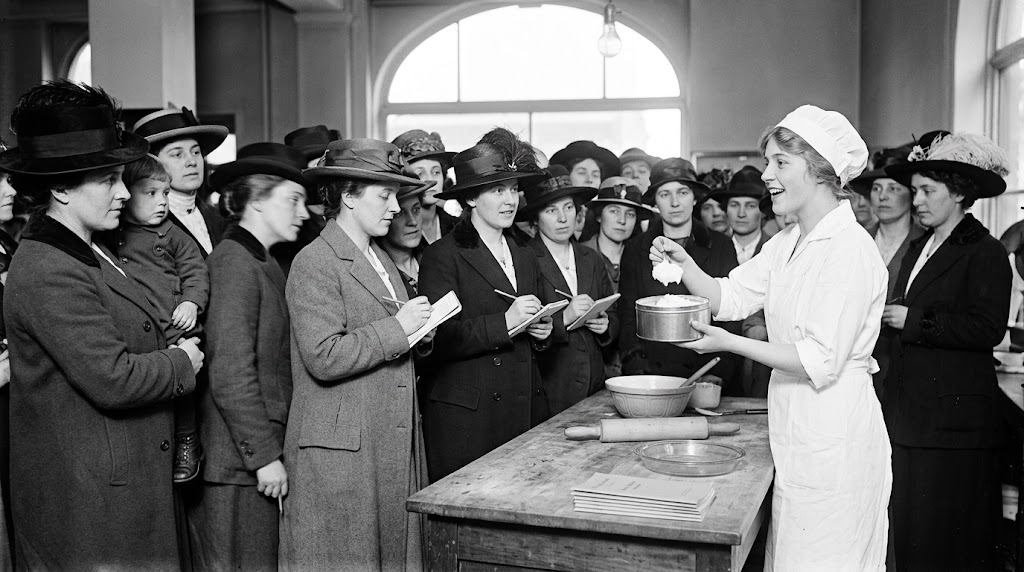
Procter & Gamble made soap. In 1911 they took an ingredient they had developed for soap, put it in a tin, and sold it to American women as food. The ingredient was cottonseed oil. Cotton seed was what the mill threw away. It rotted in heaps by the roadside. The raw seed poisons pigs. The oil comes out red, bitter and stinking, and its other buyers made roofing tar and explosives. P&G bought the mills, hardened the oil with hydrogen gas to make cheaper soap, and noticed that what came out of the vat looked exactly like lard. So they called it Crisco, and they called it pure. Modern. Clean. Nothing like the dirty old butter and lard your mother used. They gave away cookbooks with Crisco in every recipe. They found a rabbi to announce that the Hebrew race had been waiting 4,000 years for it. Crisco launched in 1911. The first heart attack in the American medical literature was described in 1912. Over the next 40 years Americans ate less and less butter, more and more of what was in P&G's tin, and heart disease became the biggest killer in the country. Butter had an alibi. What P&G needed was somebody official to ignore it. In 1948 the American Heart Association was a small club of doctors with no money. P&G's hit radio show ran a contest for them. Listeners posted in $1.75 million, and the club became the national authority on the human heart overnight. In 1960 P&G launched Crisco Oil. In 1961 the American Heart Association told the nation to swap butter for vegetable oil. That advice is still on your doctor's wall. Years later it came out that hardening the oil made trans fats, and trans fats were killing people. The industry pinned everything on that one word, changed the recipe, and declared margarine safe. It was never only the trans fat. When doctors in Sydney moved heart patients off butter and onto plain safflower oil, more of them died. When Minnesota ran the biggest trial of all, on corn oil, the old people on the oil died faster. That result went into a basement for 40 years. The problem is the oil. It is an industrial fat, washed out of seeds with a petrol solvent, bleached, and deodorised so you cannot smell what it is. It goes rancid in the bottle, in the fryer and in you, and it sits in your body fat for years. Americans now carry more than twice as much of it as their grandparents did. P&G sold Crisco in 2002 and walked away. The American Heart Association still sells its red tick to bottles of seed oil, for a fee. Butter is cream, shaken. It has never once needed a radio show.
Verify it yourself: the manifest is the exact JSON whose
SHA-256 is 0410e2147a6683e569f238156db4ee9e4316af931a7b2cc3558995b8a3352830; it binds the tweet id, author, post time, and the SHA-256 of the text above. Re-hash the text to match 0018888e08606e5de65a70918e593743730e7c411068625654c3e00f19bd1a75, and read the anchor transaction's OP_RETURN
bsv.cx / x1 / 0410e2147a6683e569f238156db4ee9e4316af931a7b2cc3558995b8a3352830 — the block's timestamp proves the post said this at or before that time,
with no trust in bsv.cx. Content archived via the X API.